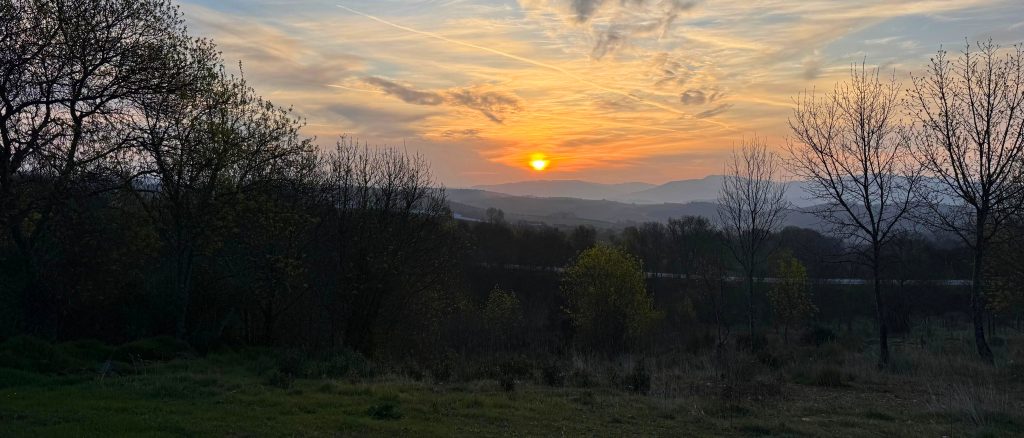
Finding the heart of the afternoon in the sunset
The landscape that moves us today holds centuries upon centuries of decisions and hardship, and the tranquillity we now enjoy was shaped by lives that knew very little peace themselves.
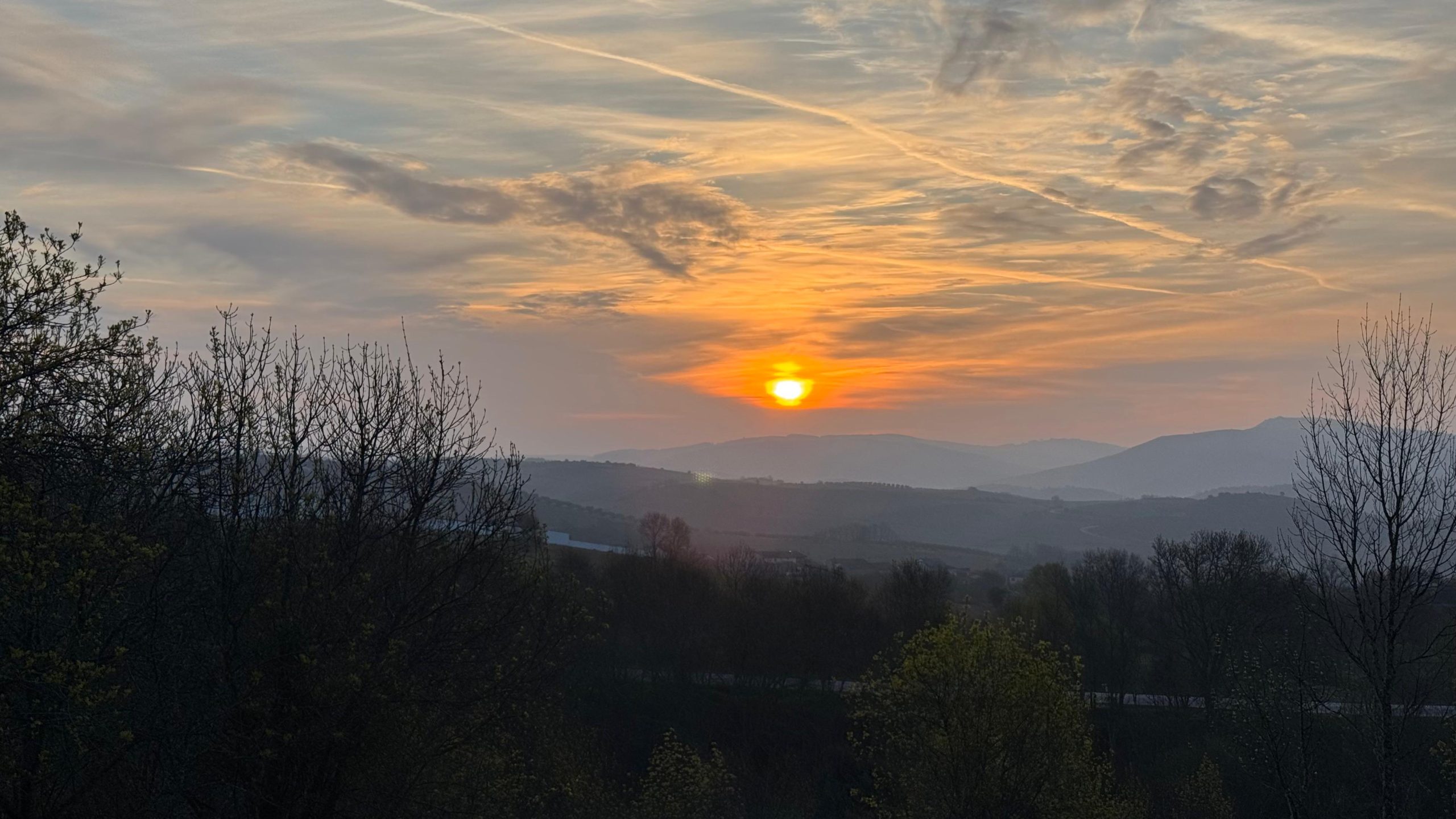
Throughout summer and well into autumn, the sun takes its time to disappear, seeming lazy or reluctant to say goodbye, as though it wished to prevent night from settling over Quinta do Palame and enveloping its guests in the sweet comfort of a home-cooked dinner on the terrace.
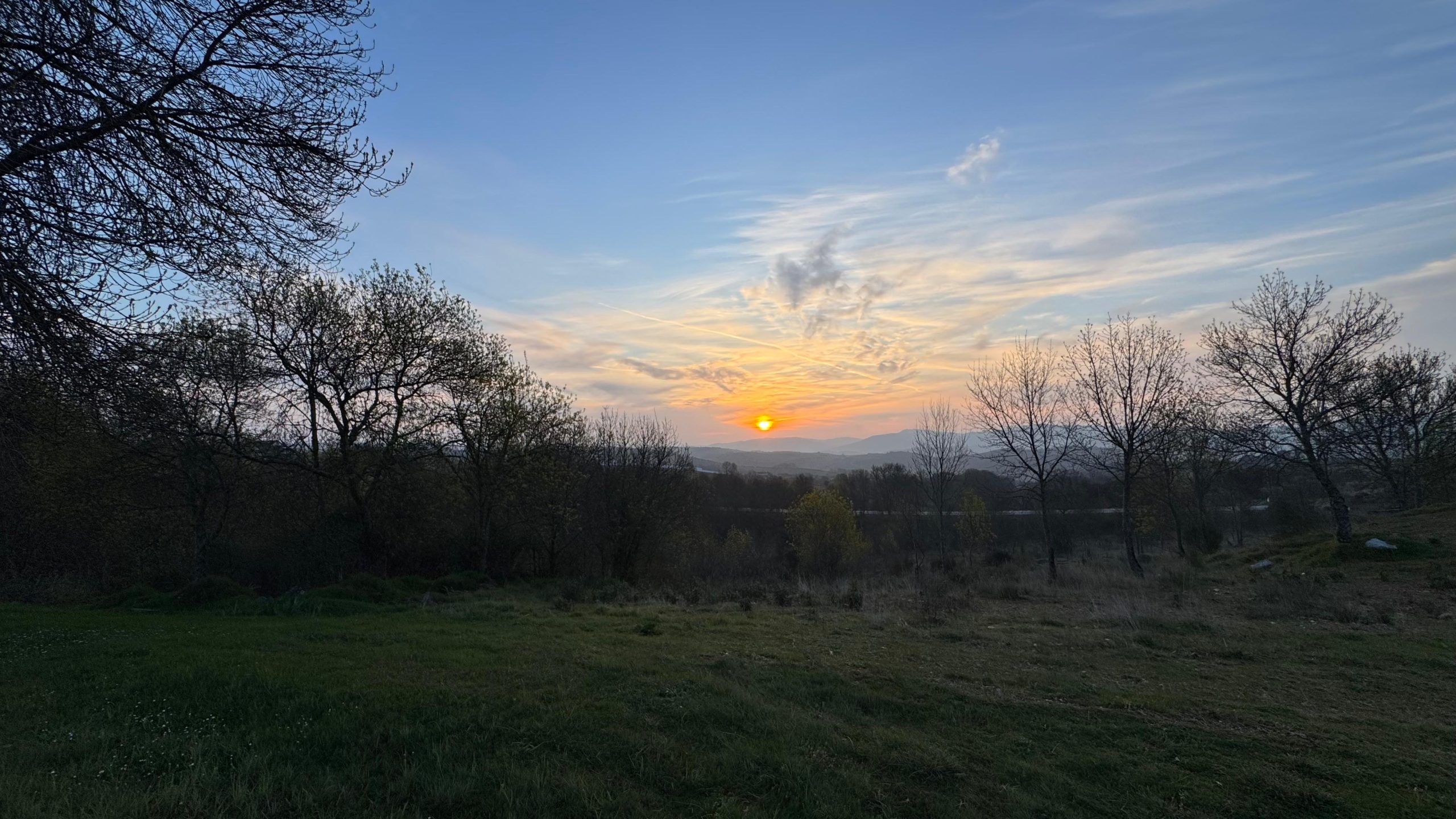
Before us, the vineyards trace orderly lines in the afternoon light, guiding our gaze across the nearby slopes until it comes to rest on the furthest edge of the horizon, marked by the silhouette of the majestic Serra do Marão, that age-old boundary between the highlands of Trás-os-Montes and the coast.
For generations, crossing these mountains meant entering another world, breathing different air, discovering new horizons and different ways of life. On this late afternoon, distance softens their grandeur, and the Marão receives the light as it leaves the valley, holding it for a few moments longer while shadows already embrace the houses below.
A stone wall anchors the foreground. Between the stone within reach of our hands and the distant mountains lies the entire depth of this place. Everything seems arranged according to an ancient geometry, revealed by the light for a few fleeting minutes before being surrendered to the night.
We are in the ancient Freixiel Valley, in the municipality of Vila Flor, where the Terra Quente region of Trás-os-Montes meets the wine-growing landscape of the Douro. Here, place names belong more to the centuries than to maps, and the land recognises other forms of continuity: the vineyards, the olive trees, the orientation of the slopes and the water sought by their roots.
Freixiel occupies a vast and beautiful valley sheltered by mountains, inhabited since prehistoric times. If today we are moved by this low, orange-coloured sun, we can imagine that long before us, someone more primitive, yet equally sensitive to beauty, may have contemplated this same late afternoon and called this land, this landscape, their own.
At Quinta do Palame, we feel as though we are standing at the geometric centre of this magnificent valley. Our gaze discovers distances that balance one another, shapes that seem to answer a longing for harmony, and an unexpected intimacy between the vastness of the sky and the modest scale of the houses.
There are places where we must climb to understand the landscape, but here it is enough simply to remain still, for the natural hollow of the terrain draws the horizon closer and gives the space the welcoming shape of an open hand.
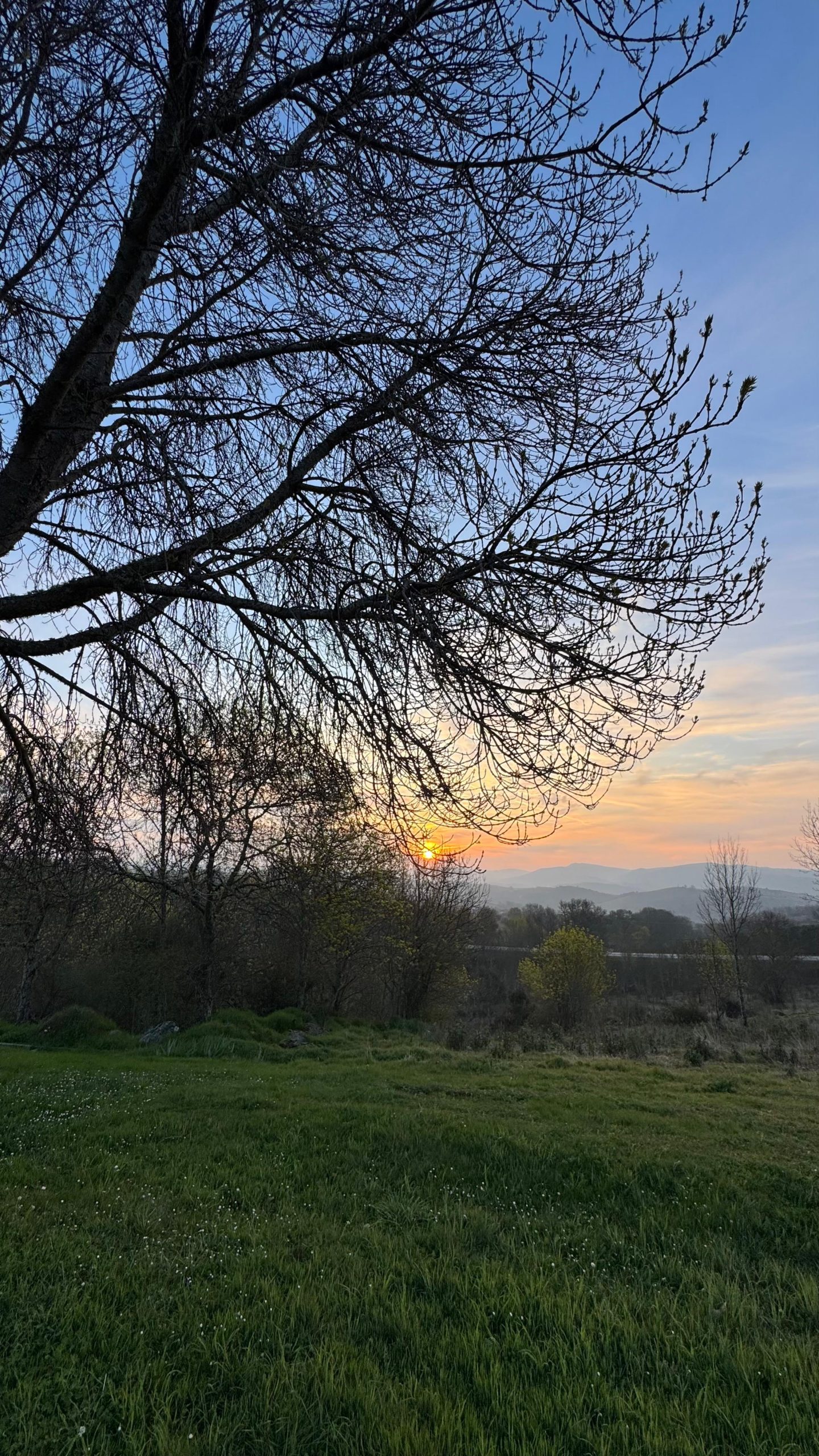
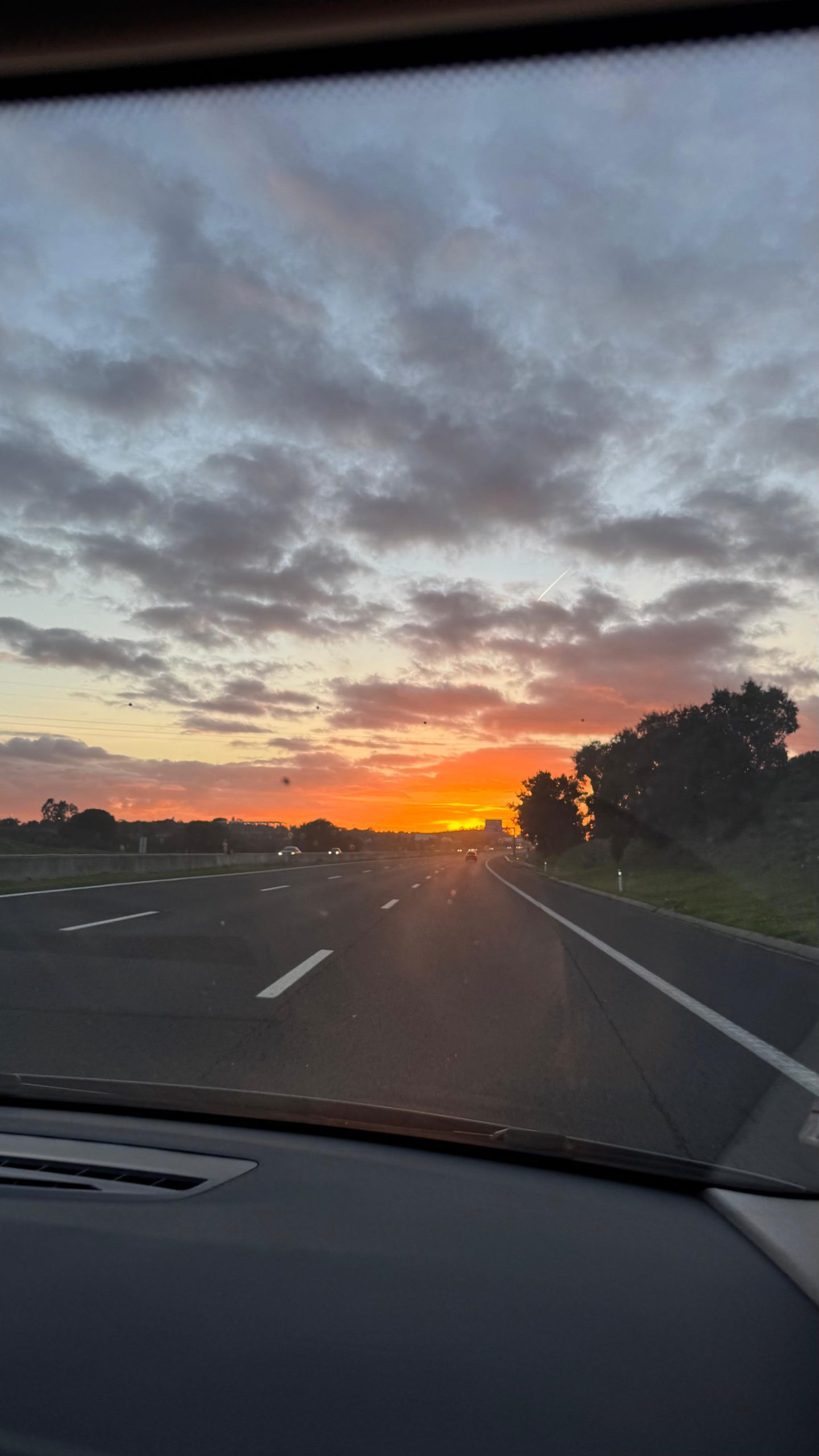
Gold spreads beneath the clouds, while blue holds its ground in the heights above. Sunlight, forced to travel a longer path through the atmosphere, loses some of its blue wavelengths along the way, allowing the warmer tones to reach us more vividly. Understanding this explanation only deepens our wonder: what we see is the result of distance, matter and movement, brought together in a combination that will never be repeated. The universe preserves its precision even when it seems to surrender itself to extravagance.
Below, the vines begin to lose their definition. Some leaves still retain a yellow glow, while others are already merging into the shadows. For a few moments, the houses preserve the whiteness of their walls and the red of their roofs, but soon they too give way. Night advances close to the ground, filling the spaces between things, climbing the trees, bringing together everything that daylight had kept apart.
I think of the hands that shaped this landscape through relentless labour, generations of sculptors of the fertile earth who shared blood, sweat and bread, concentrating on the placement of each stone, the weight they carried and the patience required to bring stability to such varied forms.
I imagine an army of men digging around the vine stocks, pruning the vines and shaping the vineyards, opening pathways, facing the rain and bending beneath the weight of the frost, yet never losing the determination to finish their work and return home to kiss their children.
The landscape that moves us today holds centuries upon centuries of decisions and hardship, and the peace we now enjoy was built by lives that knew very little peace themselves.
Perhaps that is what makes this sunset feel so complete: the meeting of the world’s great natural order with the quiet labour of making it habitable. For a few moments, we can see them both together.
The final glow hangs above the mountain ridge. I wish I could prolong it, but I let my arms fall and place my phone on the wall. The stone still holds some warmth. On the other side, the vineyard darkens, while beyond the houses the sky remains alight. I continue watching until only the outlines of the hills remain visible. When I finally turn away, I carry that light in my eyes, still enough to find my way home and make the journey back slowly.